
Safety advice with the source printed on it
Guides for the Philippines: typhoons, earthquakes, eruptions, floods, fire, what to pack, and who to call.
Every instruction on this site names the agency that issued it and links to the original. Where a page tells you to do something in an emergency, PAGASA, PHIVOLCS, UNICEF Philippines or a city disaster office said it first, and the line underneath tells you which and when we read it. Where a page adds its own explanation to an agency's list, it says so.
“If you’re near the shore and feel an earthquake, especially if it’s too strong, move quickly to higher grounds. Tsunamis might follow.”
Source: PHIVOLCS, Earthquake Preparedness Guide. Read 20 September 2026.
That strip sits under each sourced section on the site. It is how you check us.
Before, during and after
Four hazard guides, each one following the question the way it gets asked in the Philippines. Each line below is a short summary of its guide, and the guide names the agency behind every step.
- Typhoons Watch the wind signal PAGASA has raised over your province, get the go bag and the documents above the water line, and go when your barangay says go.
- Earthquakes Duck, cover and hold. Stay inside if the building is sound, get to open ground if you are outside, and get to high ground if you are near the shore.
- Volcanic eruptions Stay out of the danger zone PHIVOLCS has drawn, and treat ashfall as the part that reaches you: cover your nose and mouth, close the house up, and get ash off the roof before it rains.
- Floods and landslides Get the go bag and anything that matters above the water line, kill the power before you leave, and do not walk or drive into floodwater.
Read these two before anything happens
An hour spent on these two is worth more than everything else on the site, because both are useless to read for the first time during the emergency they are for.
-
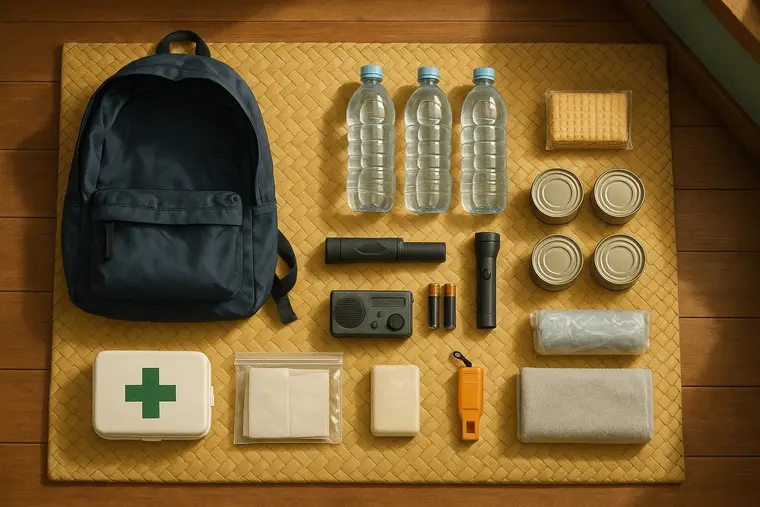
What to put in a go bag
UNICEF Philippines' checklist, item by item, in English, with a line on each one saying what it is doing in the bag.
-
Philippine emergency hotline numbers
911 and the rest of the national directory, copied from the government's own list with the date we read it.
How this site is written
Three rules, and they are the reason the site exists rather than a page nobody reads.
- No source, no instruction. If an agency has not published an instruction, it does not go on the page as one.
- No invented expert. There is no byline, no credential and no "reviewed by" line here, because there is nobody to name. The authority is the agency, linked.
- It says which country it is for. Emergency numbers, agencies and warning scales differ. These pages are written for the Philippines and say so at the top.
Everything else
Home safety, fire, the guide index and the two articles kept from the old site. Sources on this site were last read 20 September 2026.